
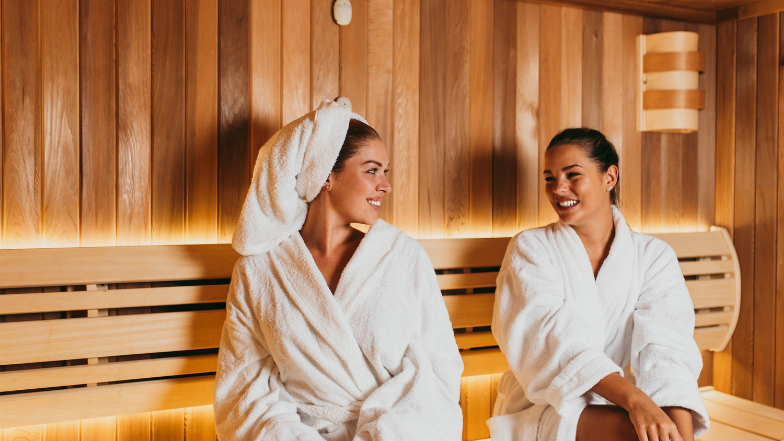
The sauna is a place where time slows down and everyday stresses are left behind. Although many of us associate it primarily with relaxation and a moment to ourselves, the true magic of sauna bathing unfolds in winter. When the frost bites outside and we enter a hot, aromatic interior, the temperature contrast becomes a unique experience for body and mind. In such conditions, we not only warm up faster but also experience a more intense sense of relaxation and regeneration. For some, it's a way to strengthen the immune system, for others, an ideal ritual for long, cool evenings. Or perhaps both? Sauna bathing in the winter months is not only enjoyable—it's also an investment in health, well-being, and positive energy. It's worth exploring how low temperatures affect this ritual and why winter is the best time to enjoy a sauna.
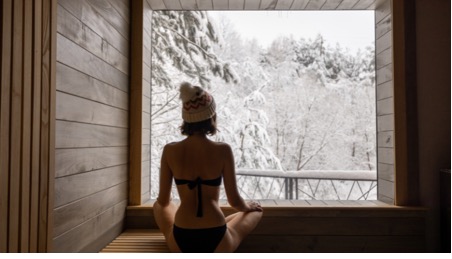
Sauna in winter – how is it different from sauna in summer?
Winter sauna bathing is more than just a way to warm up after a frosty walk. It's an experience full of contrasts that naturally engages all the senses. Just stepping out into the cool air after an intense session in a garden sauna can surprise the body with a sudden dose of freshness, while simultaneously leaving a pleasant feeling of warmth within. This effect makes relaxation more profound than in summer – the temperature difference acts as a kind of therapy, providing a sense of renewal and lightness. Winter also makes it easier to truly celebrate the moment. When darkness falls early outside, a visit to a garden sauna becomes a small ritual that helps break away from routine. It's not only a regenerative experience for the body but also a mental reset – the perfect balance between the intense heat and the tranquility provided by the cool air. For many people, this time of year makes the sauna their favorite form of relaxation, even a somewhat addictive ritual. A sauna in summer won't provide these experiences. The climate of the surroundings is also important. The frost, snow, and silence of a winter evening make stepping outside from a hot interior feel like a unique encounter with nature. That moment of contrast, when steam rises from your body and the cold air envelops your skin, is hard to compare to anything else. It's then that the sauna experience takes on a unique character, one that can't be replicated at any other time of year.
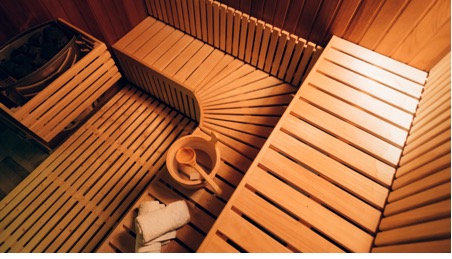
Sauna in winter – cold as an ally of regeneration
While at first glance, cold may seem like an enemy of comfort, in the context of sauna bathing, it becomes a true ally. It's the cold that intensifies the regeneration process. When, after a few minutes spent in high temperatures, we suddenly expose the body to frosty air, the body's natural defense mechanism is triggered. Blood vessels rapidly constrict and then dilate again, improving circulation and oxygenating tissues. The result? Faster removal of metabolic waste products and a feeling of lightness that lingers long after the session ends. For physically active people, the contrast of heat and cold is particularly valuable. Cold air soothes micro-injuries in the muscles, reduces inflammation, and accelerates the rebuilding of muscle fibers. It's no wonder that athletes so readily use the sauna in winter – it's a natural form of wellness that supports the body just as effectively as massage or specialized treatments. It's also worth considering the mental aspect. Exposure to cold after intense heat stimulates endorphin production, which translates into improved well-being and reduced tension. It's a unique training experience for both body and mind – we learn to tolerate extreme conditions, and in return, we gain resilience not only physically but also emotionally. Combined with the sauna, the cold ceases to be a challenge and becomes a source of energy and inner balance.
Cold and its impact on immunity, sleep quality and improved circulation
Cold, combined with alternating exposure to heat, such as in a sauna, provides the body with a natural workout that strengthens immunity and overall fitness. Short-term exposure to low temperatures stimulates the immune system to work intensively. Exposure to cold increases the production of leukocytes—cells responsible for fighting viruses and bacteria. Therefore, people who regularly use saunas or bathe in cold water often experience fewer infections, even in the height of cold season. Cold also acts as a natural hardening stimulus. A body accustomed to sudden temperature changes adapts better to unfavorable weather conditions, such as frost or strong winds. As a result, resistance increases not only to viral diseases but also to stress and fatigue. The effect of cold on circulation and the hormonal system is also significant. Rapid cooling of the body increases adrenaline secretion, which improves blood flow to internal organs and stimulates the circulatory system. The result is better tissue oxygenation, faster regeneration, and improved sleep quality – after such a stimulus, the body more easily enters a phase of deep rest. Regular exposure to cold is therefore not only a way to harden the body but also a natural method of supporting immunity, circulation, and hormonal balance. It's a simple, accessible way for everyone to strengthen health and improve well-being year-round.
Comfort and safety – how to safely use the sauna in winter?
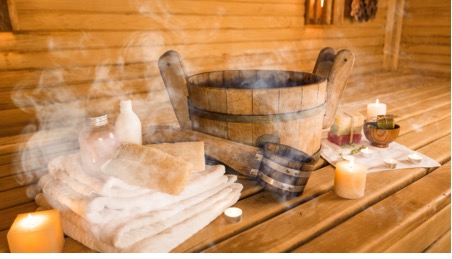
Although winter saunas have many benefits, it's worth remembering a few rules that will ensure it's not only enjoyable but also safe. First and foremost, cool your body gradually – suddenly stepping out into the cold with wet skin or hair can lead to discomfort and, in extreme cases, even a cold. Therefore, it's a good idea to dry yourself with a towel after a session, wait a moment, and only then expose yourself to the cool air. Hydration is equally important. The high temperature in a garden sauna causes rapid fluid loss, so it's worth replenishing yourself with mineral water or herbal infusions. It's easy to become dehydrated in winter, as we feel thirstier than on hot days. It's worth carrying a bottle of water and drinking small sips between sessions. Appropriate clothing after a session is also crucial. A warm hat, scarf, and comfortable shoes will help keep your body in balance after the contrasting experiences. This will help you avoid sudden hypothermia and allow you to fully enjoy the feeling of relaxation provided by the sauna. garden saunasIn winter, the sauna ritual becomes more than just a way to relax—it's a small adventure that combines health, regeneration, and contact with nature. And when the frost stings your cheeks and the body warms with pleasant warmth, it's easy to understand why this time of year is the perfect time for the most beautiful sauna experiences. Nevertheless, the sauna helps strengthen the body and improve well-being regardless of the season, and its regular use brings numerous health benefits, such as improved circulation, immunity, and regeneration.


