

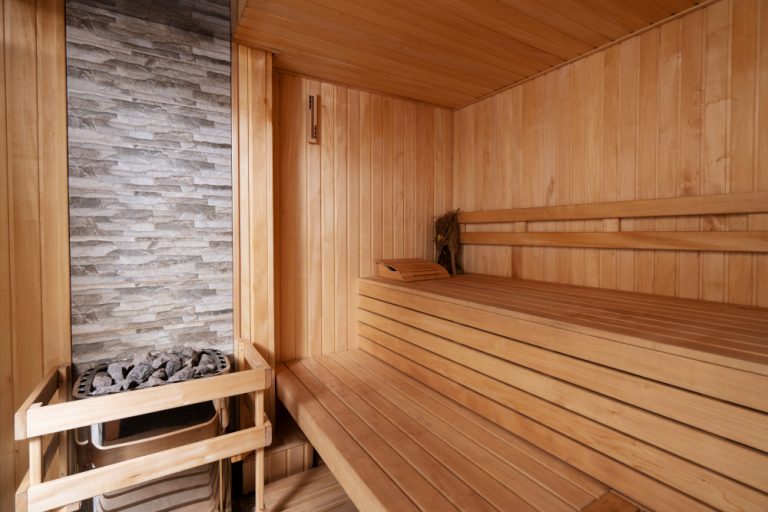
Building a sauna is a long-term investment, so the choice of wood cannot be left to chance. The material from which the interior is constructed directly impacts the durability of the structure, aesthetics, and comfort of use. High temperatures and humidity are conditions that require appropriate species with the right technical parameters. When considering your choice, it's worth considering not only the appearance but also, and above all, the properties of the wood, which will determine the quality of the entire sauna.
The best wood for building a sauna – which species work best?
Let's start with the functions. Interiors saunas This includes not only the walls and ceiling, but also the sauna benches, floor, and structural elements of the sauna, which operate in different conditions than the wood paneling. Sauna wood should have low thermal conductivity to prevent it from heating up to uncomfortable temperatures during sauna use. In practice, this means that lower-density, more delicately textured species are better suited for sauna benches, while sauna boards with greater dimensional stability are better suited for sauna walls.
You also need to remember about resistance to moisture. Wood resistant to humidity and temperature fluctuations It won't warp, and this property reduces the risk of cracking, deformation, or discoloration. Wood quality isn't judged solely by appearance—density, the number of knots, and resin content are also important. Knots shouldn't be excessive, and the wood shouldn't release resin when exposed to high temperatures, as this can compromise the comfort and aesthetics of the paneling.
The best types of wood for saunas – overview and use
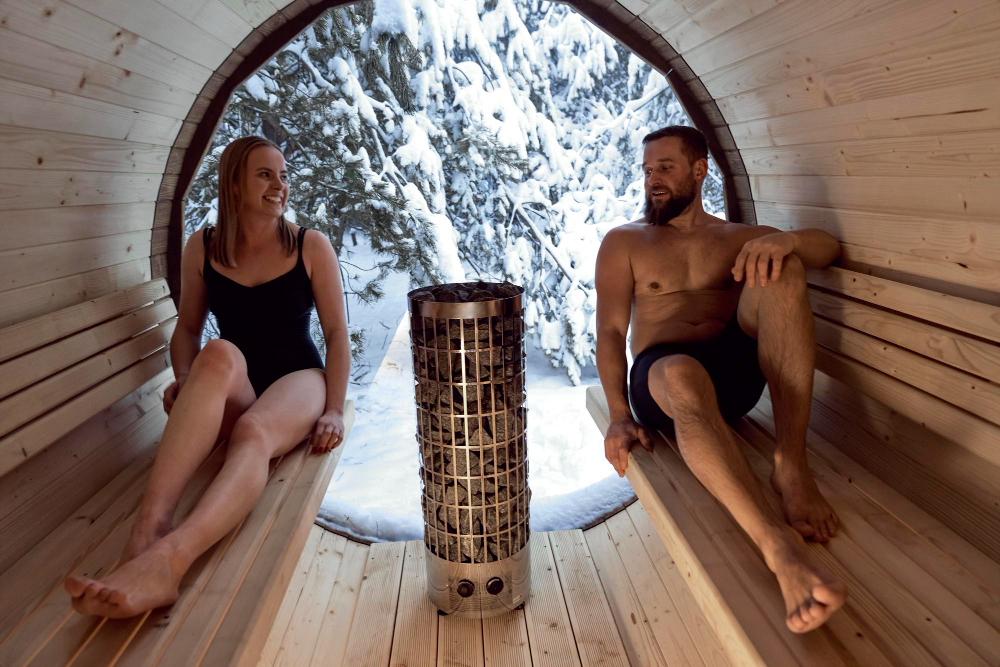
Each element of the sauna serves a different purpose and requires wood with specific properties. The walls and ceiling require moisture-resistant and dimensionally stable material, the benches should be made of species that do not become too hot and provide comfort to the skin, and the paneling must combine durability with aesthetics.
Scandinavian spruce – a classic in the Finnish sauna
Spruce Scandinavian is one of the most popular solutions for wall and ceiling construction. softwood is relatively light, pleasantly bright and tolerates temperatures and humidity well sauna. Carefully selected spruce wood with few knots ensures a smooth surface. Importantly, spruce – unlike many pine species – usually has less resin, so the sauna paneling won't release excessive resin under the influence of high temperatures.

Aspen – cool to the touch and exceptionally comfortable
If you've ever wondered why a sauna bench can feel so comfortable even when the heater is heating the room to the max, the answer is often: aspenThis wood is light color, very low density and low thermal conductivity, so it won't heat up as much as harder species. Aspen remains neutral in odor and smooth to the touch, which increases comfort. It's often the number one choice for boards on benches, backrests and headrestsYou just need to take care of the wood by cleaning it regularly to minimize the risk of discoloration from sweat and maintain hygiene in areas of heavy sauna use.
Abachi – African bench specialist
Abachi is a wood with extremely low thermal conductivity. Abachi is a wood that it practically doesn't "burn", even when temperatures and humidity in the sauna are high. For this reason, it is perfect for sauna benches and elements with which the skin is in contact the longest. It has a creamy color, a delicate texture and very few knots., and it rarely releases substances that could irritate the skin. As we noted earlier, low density equals greater comfort, which is why abachi is a paragon of functionality in seating and lying areas.
Canadian cedar – aroma, durability and moisture resistance
Cedar wood is a proposition for people who appreciate the unique interior of a sauna and a natural, pleasant scent. Cedar is dimensionally stable, moisture-resistant and is characterized by high resistance to fungi and mold. Referring to the previous information, cedar – especially the species known from North American saunas – combines excellent functional properties with an aesthetic with warm, deep colors. This solution is often chosen for paneling and decorative elements, when we want to combine relaxation with the expressive character of the interior.
Hemlock (Canadian fir) – smoothness and precision on walls
Hemlock is valued for runiform structure and very smooth surface after processingThanks to its stability and small amount of resin, it works great as a board for saunas for walls and ceiling. Moving on to the next aspect, hemlock is particularly liked by contractors because it provides a repeatable visual effect and an elegant, calm wainscoting with a high work culture in the conditions of a Finnish sauna.
Thermo wood – when durability and naturalness must go hand in hand
Thermally modified wood (e.g. thermo aspen or thermo pine) gains increased stability and resistance to moisture thanks to high-temperature steam treatment, without the addition of chemicals. As mentioned, thermowood better resists deformation caused by temperature and humidity, increasing the durability of the paneling and exterior elements in garden saunas. An additional advantage is the darker, richer color, which creates an elegant atmosphere.
Where to use which wood? Sauna interiors without compromise.
When building a Finnish sauna, it is worth separating the roles. Paneling for walls and ceiling should be stable, smooth and free from excess knots. This is why Scandinavian spruce, hemlock or cedar often lead the way in this area. The bench and backrests must guarantee comfort of use and safety in contact with the skin, so they work best aspen and abachiand in the premium variant – also properly prepared cedar wood. IN garden saunas, exposed to greater climatic fluctuations, are increasingly used thermo wood, which is more resistant to moisture and dimensionally stable.
Choosing the right wood for building a sauna also involves deciding on the flooring. Wood for the floor should be able to withstand water dripping from the body, frequent cleaning, and temperature fluctuations. Anti-slip, moisture resistance, and ease of care are key factors here. Many projects use aspen trusses or abachiwhich can be easily removed and cleaned, combining comfort with aesthetics.
The choice of wood and comfort and safety – what to remember when sitting in the sauna?
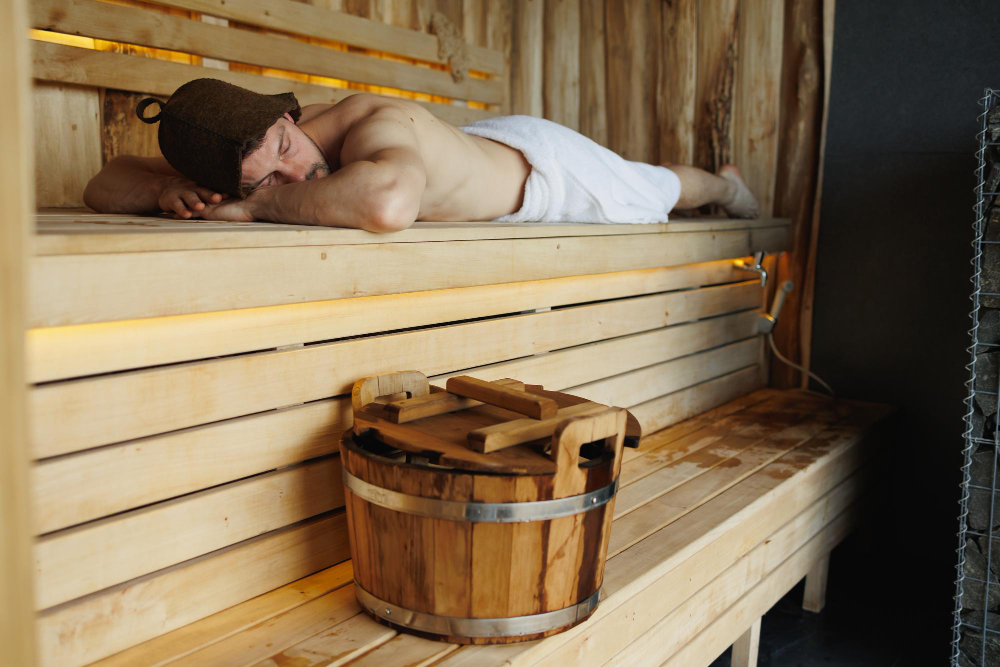
Let's consider temperature. Woods with low thermal conductivity, such as aspen or abachi, create a cooler surface at the same air temperature, which directly translates to relaxation. Choosing the right type of wood for benches eliminates the risk of skin scorching and improves the quality of rest, especially during longer sessions.
In terms of safety, the material's response to extreme conditions is also important. Moisture-resistant and stable, the material won't warp or crack excessively, and carefully selected paneling will maintain an even finish, free from sharp edges or splinters.
Where to find good wood? Some practical shopping tips.
As mentioned, technical parameters and selection determine the final effect. When purchasing, pay attention to the grading class, color uniformity, and the absence of surface defects. Popular wood species are available in many locations across the country, and in large centers – for example, in lumberyards in Gdańsk – you can easily find wainscoting, bench boards, and construction materials designed specifically for saunas. Choosing the right wood for your sauna will be easier by talking to a supplier and comparing samples in person.
Which wood should you choose for building a sauna?
To summarize the previous points, the best wood species for a sauna are those that combine durability, stability, and tactile comfort. Choosing the right wood for your sauna is an investment in functionality and longevity. If you're still wondering which wood to choose for your sauna, start with a simple division: the walls and ceiling require stability and aesthetics, while the seating requires maximum comfort and low thermal conductivity. This approach will lead directly to the right decisions, and your own sauna will reward you with safe, peaceful warmth for years to come.
If you are still wondering which wood will work best in your sauna, contact us – we will advise you and help you choose the right material for your needs. https://spasauna.pl/kontakt/
We also invite you to read other entries about saunas on our blog:


