
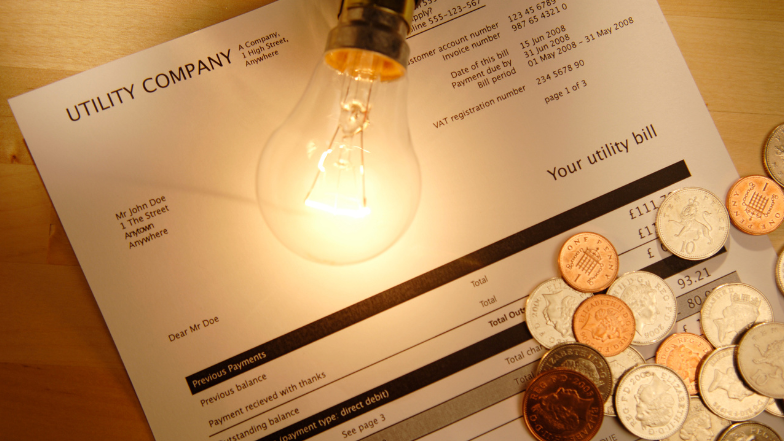
How much electricity does a jacuzzi use – how can you reduce your spa's energy consumption? Jacuzzi electricity consumption is one of the most common topics that arise before purchasing a spa and during its use. Many people worry about high energy bills, although in practice, costs can be effectively controlled. Find out how much electricity a jacuzzi actually uses, what determines its energy consumption, and what simple steps can significantly reduce energy consumption without sacrificing the comfort of your bath.
Energy consumption of a jacuzzi – what does it depend on?
The energy consumption of a hot tub is determined by four main factors:
- Thermal insulation – A well-insulated jacuzzi requires less frequent reheating. Poor insulation is the biggest culprit behind high bills.
- Device power – the higher the heater power, the faster it heats the water, but also the more electricity it consumes.
- External conditions – a garden jacuzzi in winter can consume up to 2-3 times more energy than in summer.
- How to use – frequent opening of the lid, temperature changes or long massage cycles increase weekly and monthly power consumption.
How much electricity does an inflatable jacuzzi and a garden jacuzzi consume?
Inflatable jacuzzis typically consume 1.8-2.2 kW when the heater is operating, and their insulation is weaker. This means they need to reheat the water more frequently, which translates into higher operating costs. At outdoor temperatures of 10-20°C, the average inflatable jacuzzi consumes 5-8 kWh per day.
A fixed garden jacuzzi has better insulation and more efficient heating systems. While instantaneous demand may be similar (2-3 kW), actual daily energy consumption often drops to 3-6 kWh because heat escapes much more slowly.
How much electricity does a jacuzzi use during typical use?
Under normal operating conditions, a hot tub consumes an average of 100-200 kWh per month, although in colder months, this figure can rise to 250-350 kWh. During active use (massage, filters, pump), a hot tub consumes an additional 0.5-1 kWh per hour. Maintaining the temperature, typically 36-38°C, consumes the most energy. A well-insulated hot tub uses less heating, so operating costs can be as much as half those of an inflatable hot tub.
Jacuzzi Maintenance Costs – How Much Does It Really Cost to Run?
The cost of maintaining a hot tub depends primarily on the type of construction, weather conditions, and how often you use the tub. The largest expense is heating and maintaining the water temperature, especially in models with poor insulation.
Monthly maintenance cost of a garden jacuzzi
A garden jacuzzi with a capacity of 800-1200 liters consumes an average of 100-150 kWh per month during the warm season and 180-250 kWh in winter. At current energy prices, this translates to a cost of around 80-120 PLN in summer and 150-250 PLN in winter. Good wall insulation, a thermal cover, and a stable temperature make these models compare favorably to inflatable jacuzzis, which require more frequent reheating.
Costs of using a jacuzzi in the summer vs. winter season
In summer, a hot tub maintains its temperature much more easily – the difference between water and air temperature is small, so the heater operates for a shorter period of time. In winter, the situation is reversed: the lower the ambient temperature, the more frequently the hot tub needs to reheat the water. Cost differences can range as much as 40-60%. In colder months, energy consumption can increase by 80-120 kWh per month, especially in an inflatable hot tub.
Comparison of the costs of using an inflatable, garden and built-in jacuzzi
- Inflatable jacuzzi – the cheapest to buy, but the most energy-intensive. Monthly cost: 150-350 PLN, even more in winter.
- Garden Jacuzzi – good balance of cost and comfort. Monthly: PLN 80-250, depending on the season.
- Built-in jacuzzie – best insulation, lowest heat loss. Monthly cost is typically 60-180 PLN.
Built-in and garden models provide a more stable temperature, making their operation much cheaper in the long run.

How to Reduce Your Jacuzzi's Energy Consumption? Effective Optimization Methods
Reducing your hot tub's electricity consumption by as much as 20-40% is possible by implementing a few practical changes. Improving insulation, maintaining optimal water temperature, and conscious, economical use of the device play key roles.
How to improve insulation and reduce jacuzzi operating costs?
The most effective way to reduce heat loss is to improve insulation. For a garden hot tub, it's worth installing a thermal cover, additional seals, and insulating mats under the tub. Inflatable hot tubs use lower-quality factory insulation, so adding a foam mat, side cover, or windbreak will significantly reduce heat loss. Protecting your hot tub from the wind can reduce energy consumption by as much as 15-201 TP3T. Well-maintained insulation means the water cools down more slowly and the heater runs less frequently.
Optimal operating temperature and its impact on energy consumption
Maintaining the temperature at 36-38°C provides comfort, but is the most energy-intensive. Lowering the temperature by 2-3°C can reduce daily energy consumption by several kWh, resulting in significant savings over the month. If you primarily use your hot tub in the evenings, you can set the economy mode, which maintains the water at a lower temperature during the day and reheats it just before planned use. Avoid completely cooling the water – reheating from zero generates the highest operating costs.
Effective use of a jacuzzi – practical tips
Economical use of a hot tub primarily involves shorter and more controlled pump and massage cycles. After bathing, it's a good idea to close the cover immediately to retain heat. Regularly replacing and cleaning filters reduces the load on the pumps and improves heating efficiency. Also, try to avoid frequent temperature changes – a stable operating mode is always cheaper.
Accessories that reduce the cost of using a jacuzzi (covers, mats, covers)
The most effective accessories that reduce the costs of using a jacuzzi include:
- Thermal covers – reduce heat loss by up to 50%.
- Insulating mats under the jacuzzi – protect against heat loss to the ground.
- Wind shields and screens – reduce the impact of wind, which significantly cools the bathtub walls.
- Roofs or gazebos – stabilize the ambient temperature and protect the device.
Well chosen accessories can shorten reheating cycles and actually reduce the monthly cost of using a jacuzzi.


